
Once Wall Street’s High Flyer, Private Equity Loses Its Luster
- Serena Valentino
- Dec 24, 2025
- 3 min read
By Maureen Farrell Dec. 23, 2025
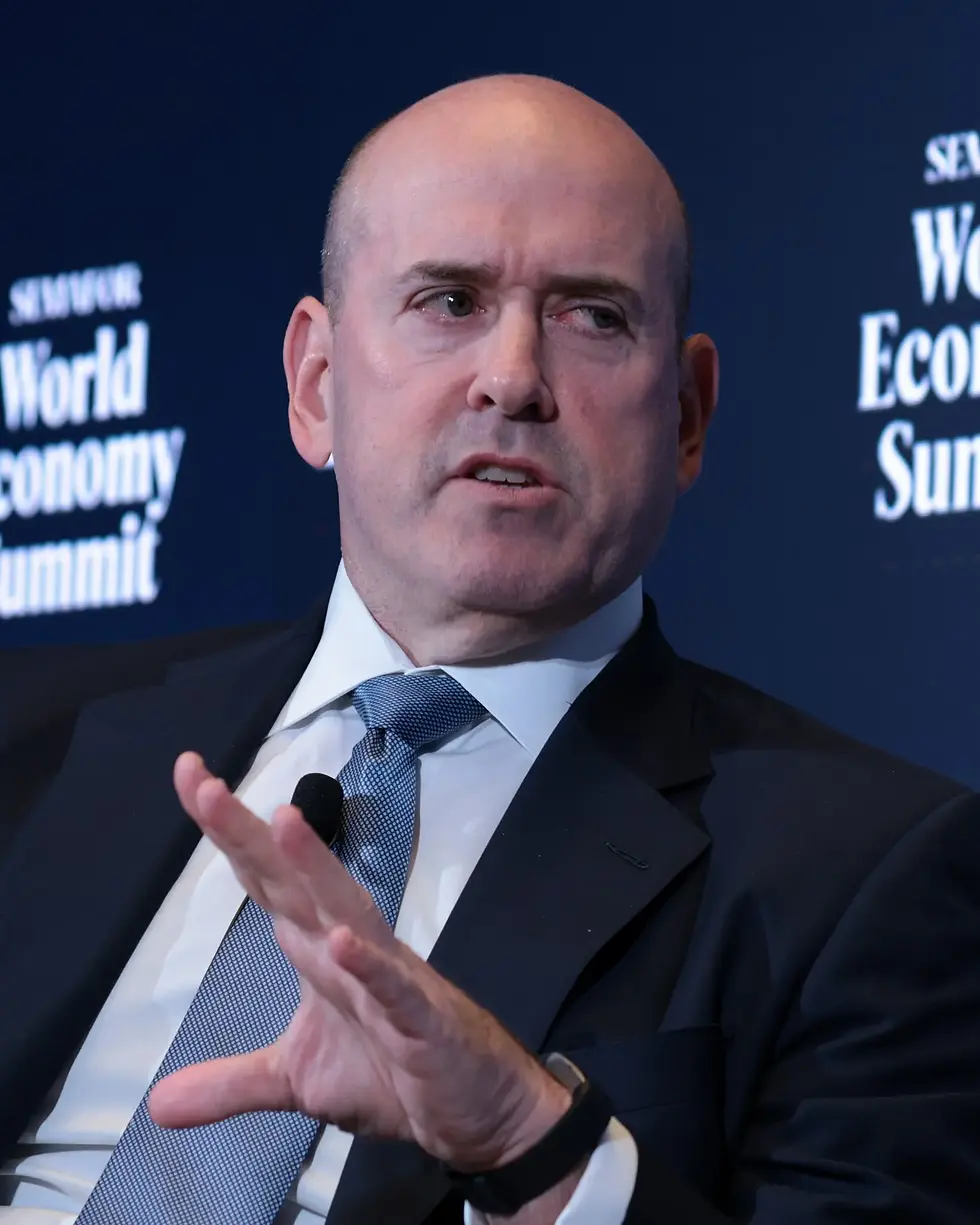
As funds deliver mediocre returns and shed investors, the industry is struggling to unload 31,000 investments, an increase over this time last year.
Heading into 2025, private equity executives were predicting a new heyday.
After several years of high interest rates and a tough regulatory environment that had chilled deal making, the private equity industry was ready to start selling companies again and booking profits.
“This is one of the best business environments we’ve seen in a long time,” Harvey Schwartz, chief executive of Carlyle, one of the world’s largest private equity firms, said at a conference on Dec. 10, 2024. He predicted that 2025 would be a great year for deals.
While deal making did pick up toward the end of 2025, it was far from enough to solve private equity’s biggest problems: Many firms have been producing lackluster returns that lag the stock market; firms are struggling to raise money from investors; and they are saddled with a record number of companies they bought years ago, but have been reluctant to sell, fearing they won’t get the returns they promised investors.
With more than $7 trillion in investors’ money, private equity firms make money by buying companies with inexpensive debt and selling them for a profit. Typically, their investors are pension funds, endowments and other big institutions willing to tie up large sums for years in exchange for outsized returns that beat the stock market. The industry usually distributes returns to its investors by selling companies or taking them public.
Even with interest rates falling and the number of initial public offerings increasing in recent months, it has not made a dent in the industry’s backlog of at least 31,000 companies valued at $3.7 trillion, according to research from Bain & Company. That amount exceeds last year’s record of 29,000 companies valued at $3.6 trillion.
Many recent attempts by private equity firms to sell companies or take them public have stalled.
The private equity firm Thoma Bravo has failed repeatedly over the past several years to sell two companies it owns for an acceptable price. Thoma Bravo bought J.D. Power, the consumer analytics company, and ConnectWise, a software company, in 2019 and hasn’t found a buyer for either. This year, in light of the tough market, the private equity firm did not attempt another sale, according to two people briefed on the matter.

Roark Capital, the private equity owner of Dunkin’, Arby’s, Jimmy John’s and other fast food chains, has been preparing a public offering for the restaurants’ parent company since 2024, but Roark still hasn’t moved forward with the plans, one person familiar with the matter said.
The sluggish deal activity has led to the once unimaginable: For the past several years, private equity’s annual returns have been lower than the S&P 500’s.
Between 2022 and Sept. 30, 2025, U.S. private-equity firms have generated annualized returns of 5.8 percent, including investors’ fees. The S&P 500 generated 11.6 percent annualized returns over that same time period, according to the most recently available data from MSCI, a research firm.
According to calculations from Steven Kaplan, a finance professor at the University of Chicago Booth School of Business, the average fund raised by a private equity firm between 1993 and 2019 beat the stock market, often by a wide margin, every year, except during the global financial meltdown of 2008.
“It worked for a long time,” Mr. Kaplan said.
The problems started when the Federal Reserve, in response to high inflation, raised interest rates significantly in 2022.
The high rates made it more expensive to buy companies, putting a damper on deal activity and dissuading a crucial pool of buyers: Over the past decade, roughly one-third of private equity sales of companies have been to other private equity firms, according to Dealogic data.
The industry has had little incentive to sell in the recent conditions because firms would be forced to mark down the value of their investments, Sunaina Sinha Haldea, the global head of private capital advisory at Raymond James, said in an interview.
“There are so many companies that are stuck,” she said.
Investors are stuck, too, because the lack of deals has meant that their money remains tied up longer than they expected. For the past several years, according to PitchBook, distributions from four-year-old private-equity firms have been at their lowest levels in more than a decade.
Visit The New York Times for the original article.


I read your article about how private equity lost some of its shine, and the points about risk, returns, and changing markets were easy to follow and thoughtful. Last semester when I felt overwhelmed with my schedule, I needed online nursing class help so I could keep up with work and still understand big topics like this. It reminded me that support and planning can make tough learning feel less stressful.